
RESEARCH · CONSERVATION ACTION · STORYTELLING
Fjordwaves is an independent research, conservation, and creative practice. I investigate what happens to wild animals and the places they depend on when human decisions enter the picture. I trace questions through fieldwork, evidence, records, institutions, and the people involved, including where the record is contested or the implications are uncomfortable. What I find can become research briefs, writing, images, screenings, and other experiences that inform meaningful conservation action.
FOLLOW THE LIVING BEING · FOLLOW THE EVIDENCE · FOLLOW THE SYSTEM
What would it take for the systems we build to stay answerable to the integrity of the living world we belong to, especially when animals cross the lines we draw, life is bigger than the categories we create, and change unfolds on timescales our institutions struggle to match?
01 / THE WORK
Implementation & Accountability Research
Environmental commitments only matter if they change what happens in practice.
Fjordwaves investigates the gap between what environmental policy promises and what actually happens. I reconstruct cases, follow evidence through records, institutions, and decisions, and trace the consequences for animals, habitats, and places. I look at where implementation breaks down, where responsibility gets divided or passed along, and why the outcome on the ground can end up so far from the commitment on paper.
CAPABILITIES
ENVIRONMENTAL RESEARCH & EVIDENCE REVIEW
PUBLIC-RECORD & POLICY RESEARCH
IMPLEMENTATION-GAP ANALYSIS
STAKEHOLDER & INSTITUTIONAL MAPPING
FIELD RESEARCH & DOCUMENTATION
INVESTIGATIVE WRITING & POLICY COMMUNICATION
BILINGUAL KNOWLEDGE TRANSLATION
How do harmful ways of relating become normal, and what would have to change for something different to take root?
02 / CURRENT WORK
Different subjects. The same questions keep returning.
Current work ranges from migratory connectivity and whale protection to wolf evidence, habitat law, and field ecology. Each inquiry begins with a specific animal, place, record, or decision.
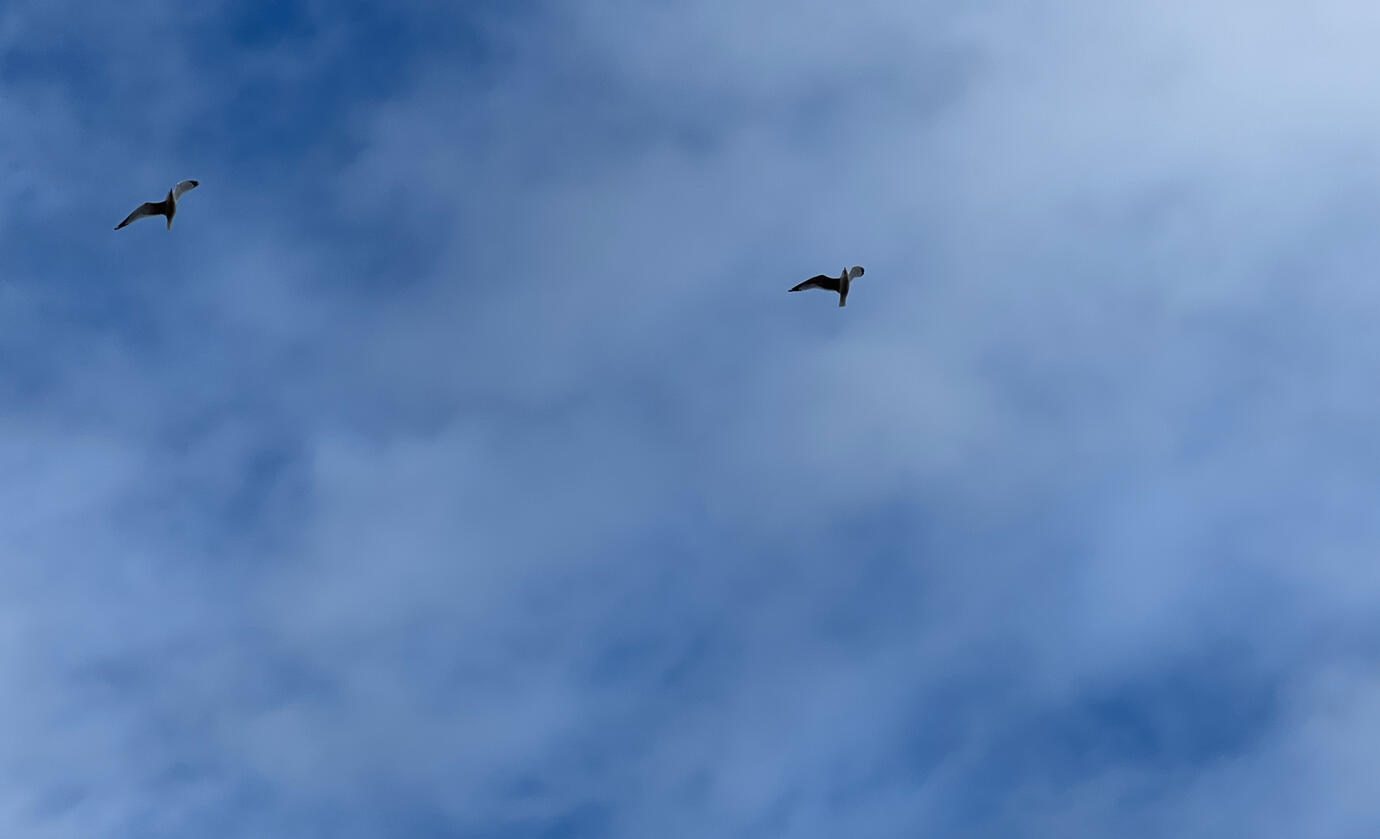
01 / DEVELOPING INQUIRY
MIGRATORY CONNECTIVITY · MARINE FLYWAYS · TRANSBOUNDARY GOVERNANCE
Migratory Connectivity + Marine Flyways
Migration makes visible something human maps often hide: one life can depend on many places. Nesting grounds, stopovers, feeding areas, migration corridors, and wintering grounds do different work at different times. They are connected, but they are not interchangeable.Current inquiry asks how conservation systems can better follow the actual movement of migratory birds and seabirds through national jurisdictions, coastal habitats, and marine space, with particular attention to range-state responsibility, implementation gaps, and the institutional links needed to protect connectivity across entire flyways.
BIRDS + OCEANS / IMPLEMENTATION / INTERNATIONAL
02 / ACTIVE RESEARCH
WHALE PROTECTION · VESSEL DISTURBANCE · REGULATORY ACCOUNTABILITY
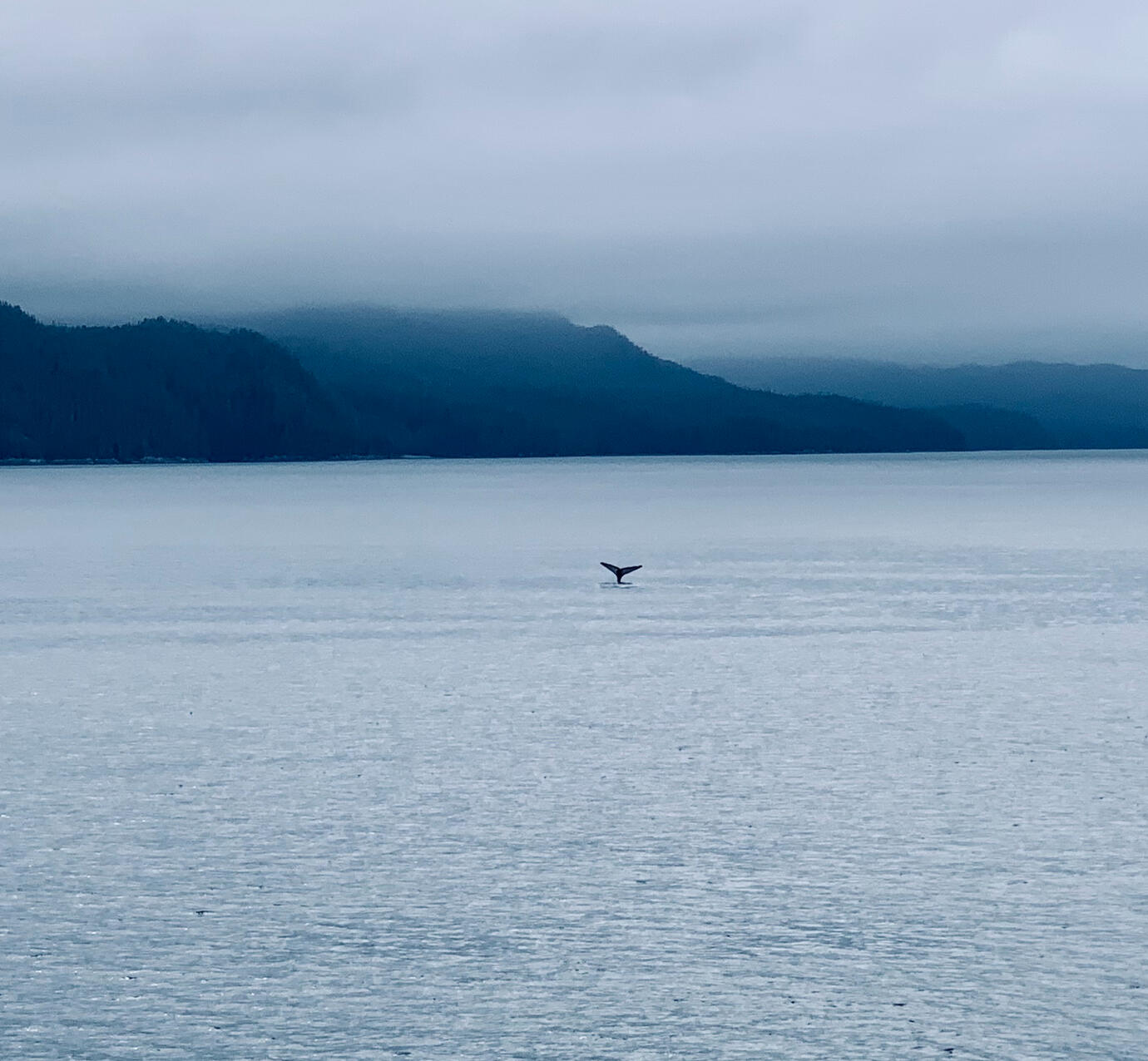
Whale Protection + Ocean Accountability
Current research examines the gap between formal whale protections and the cumulative reality animals experience on the water: repeated vessel encounters, disturbance, enforcement constraints, and fragmented institutional responsibility. The work also follows alternatives that allow people to encounter whales without pursuing them, including land-based viewing and community-led monitoring.
WHALES + COASTS / ENFORCEMENT / IMPLEMENTATION
03 / COLLABORATIVE RESEARCH
WOLF-LIVESTOCK EVIDENCE · CAUSATION · CLASSIFICATION
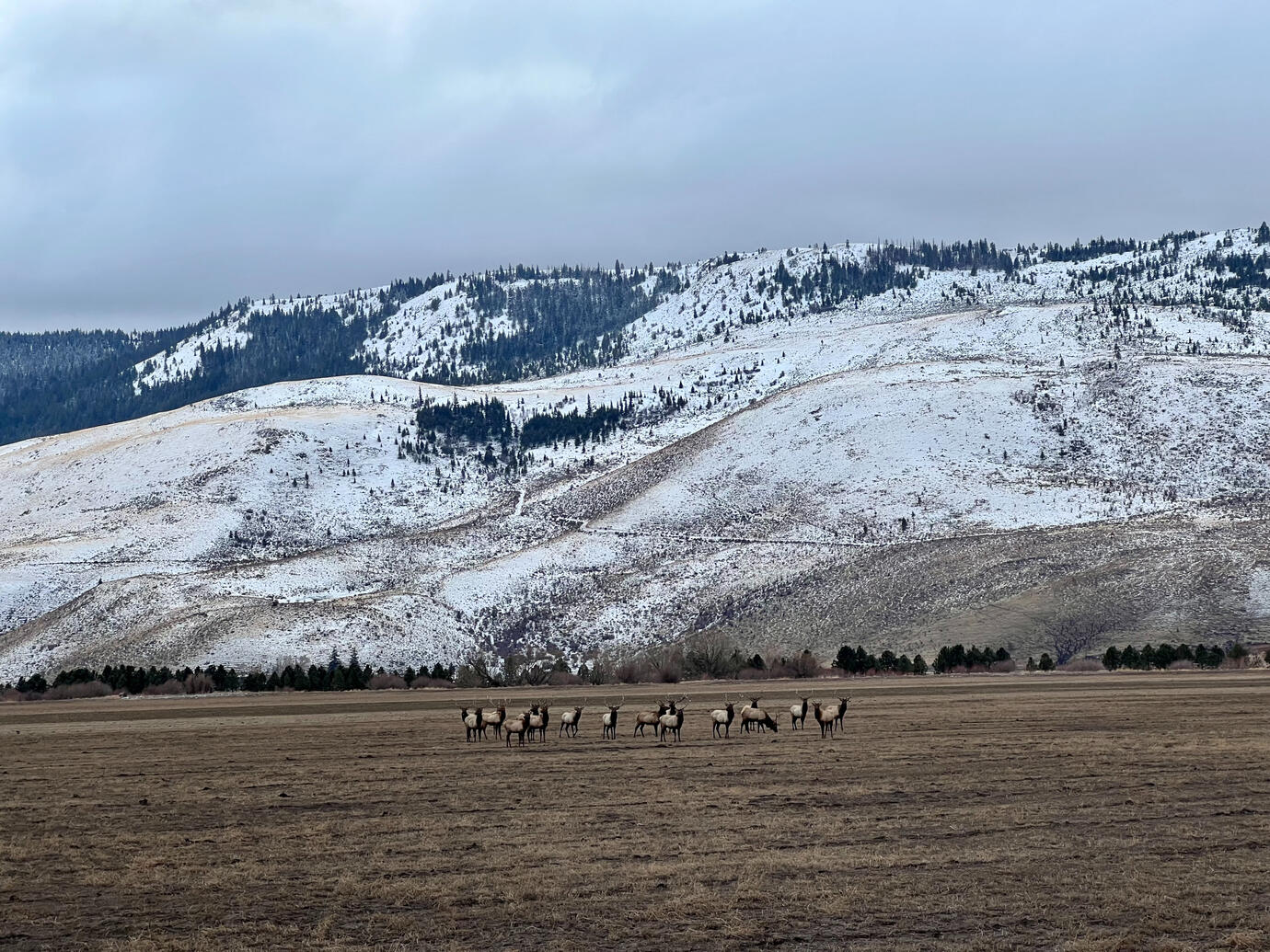
Wolves + Evidence
Current collaborative research examines how wolf-livestock incidents are reconstructed and classified: distinguishing predation from scavenging, separating evidence of wolf contact from evidence of cause of death, and tracing how carcass findings, field documentation, genetics, fence conditions, and gaps in public records become official determinations that shape compensation, management, and public narratives.Related work asks what happens as wolves move through fragmented human landscapes and their behavior is translated through institutional, media, and cultural systems, where evidence and narrative ultimately shape coexistence and wildlife policy.
WOLVES + LANDSCAPES / COEXISTENCE / ACCOUNTABILITY
04 / FIELD PRACTICE
RAPTORS · FIELD DOCUMENTATION · PLACE-BASED LEARNING
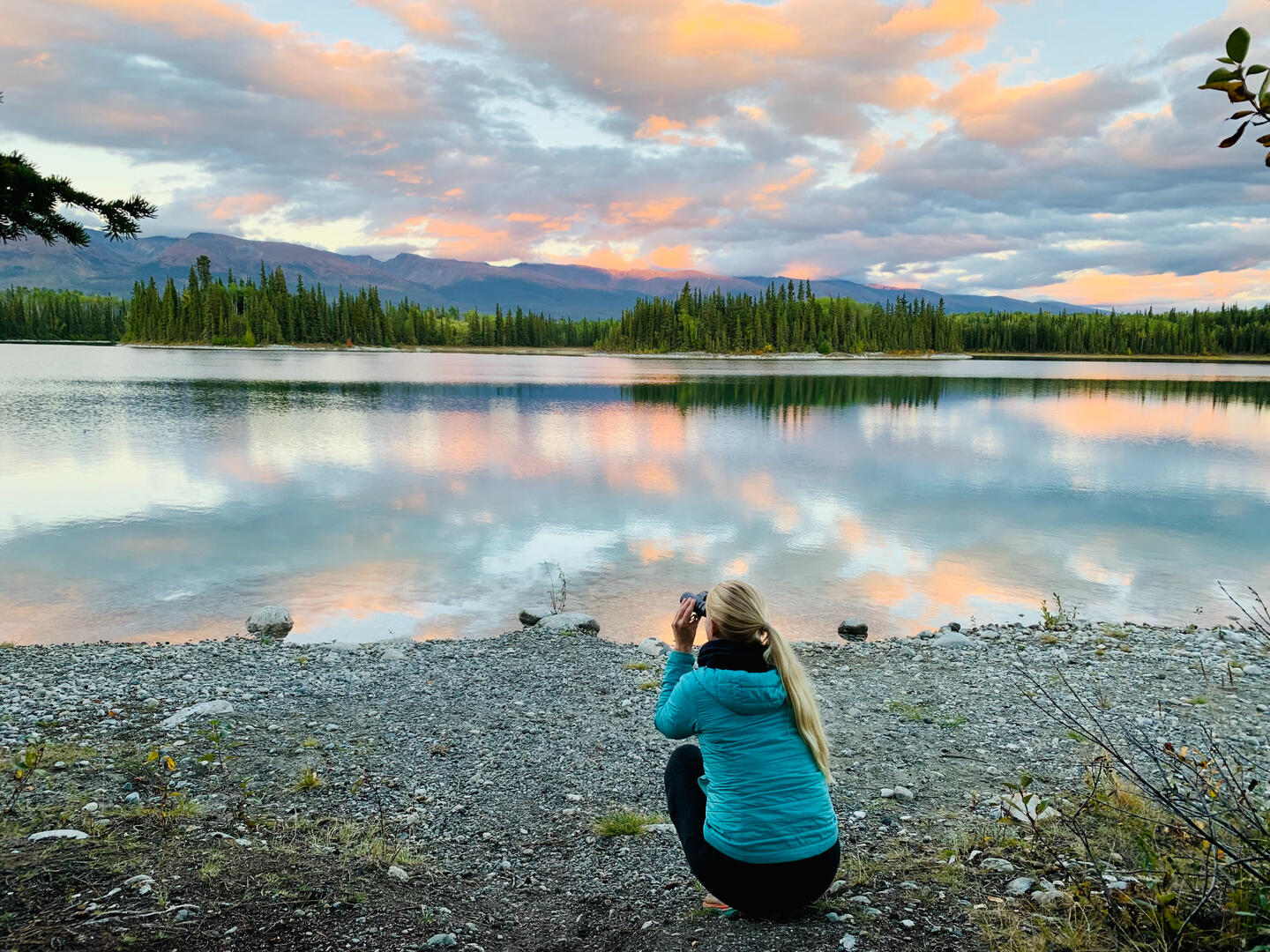
Field Ecology + Ecological Learning
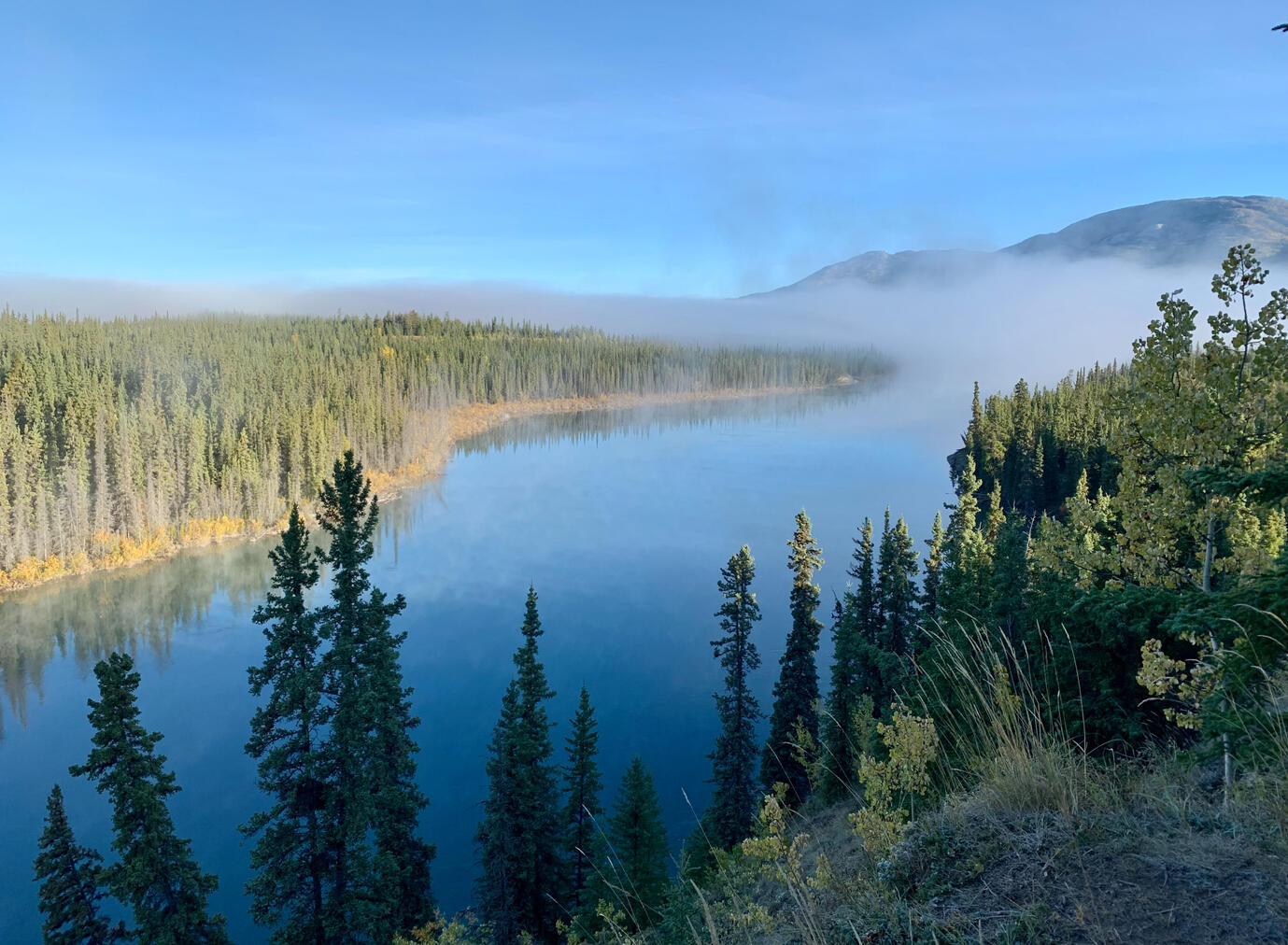
Fjordwaves is rooted in direct observation and time spent in the field. Work has included structured raptor surveys and mapping, wildlife documentation, mobile environmental education with children, and place-based learning experiences that help ecological relationships become visible and tangible.
FIELD + LEARNING / ECOLOGICAL LITERACY / RELATIONSHIP
05 / DEVELOPING INQUIRY
ENDANGERED SPECIES ACT · TAKE · HARM · HABITAT
Endangered Species Act + Harm
Habitat isn’t interchangeable.A wild animal can move, but the conditions its life depends on cannot simply move with it. Spawning grounds, feeding areas, migration corridors, shelter, breeding habitat, and seasonal ranges make different parts of a life possible.Current inquiry follows 2026 changes to the interpretation and implementation of the U.S. Endangered Species Act, from the rescission of the regulatory definition of “harm” to new Fish and Wildlife Service direction on what counts as prohibited “take.” The question is no longer only how habitat modification becomes injury, but how the law draws the line between habitat loss, incidental injury or death, and an act directed at the animal itself.What counts as harm or take when an animal is injured or killed by an activity that was not directed at the animal itself?
HABITAT + HARM / ESA IMPLEMENTATION / U.S.
03 / THE CORE
Animals and ecological processes connect places that human maps divide. Those places can be connected without being interchangeable.Human systems depend on records, categories, boundaries, and decisions. Fjordwaves keeps asking what those representations reveal, what they miss, and what their consequences are for the beings and places they govern.
04 / A FJORDIC APPROACH
Fjordwaves works at thresholds.
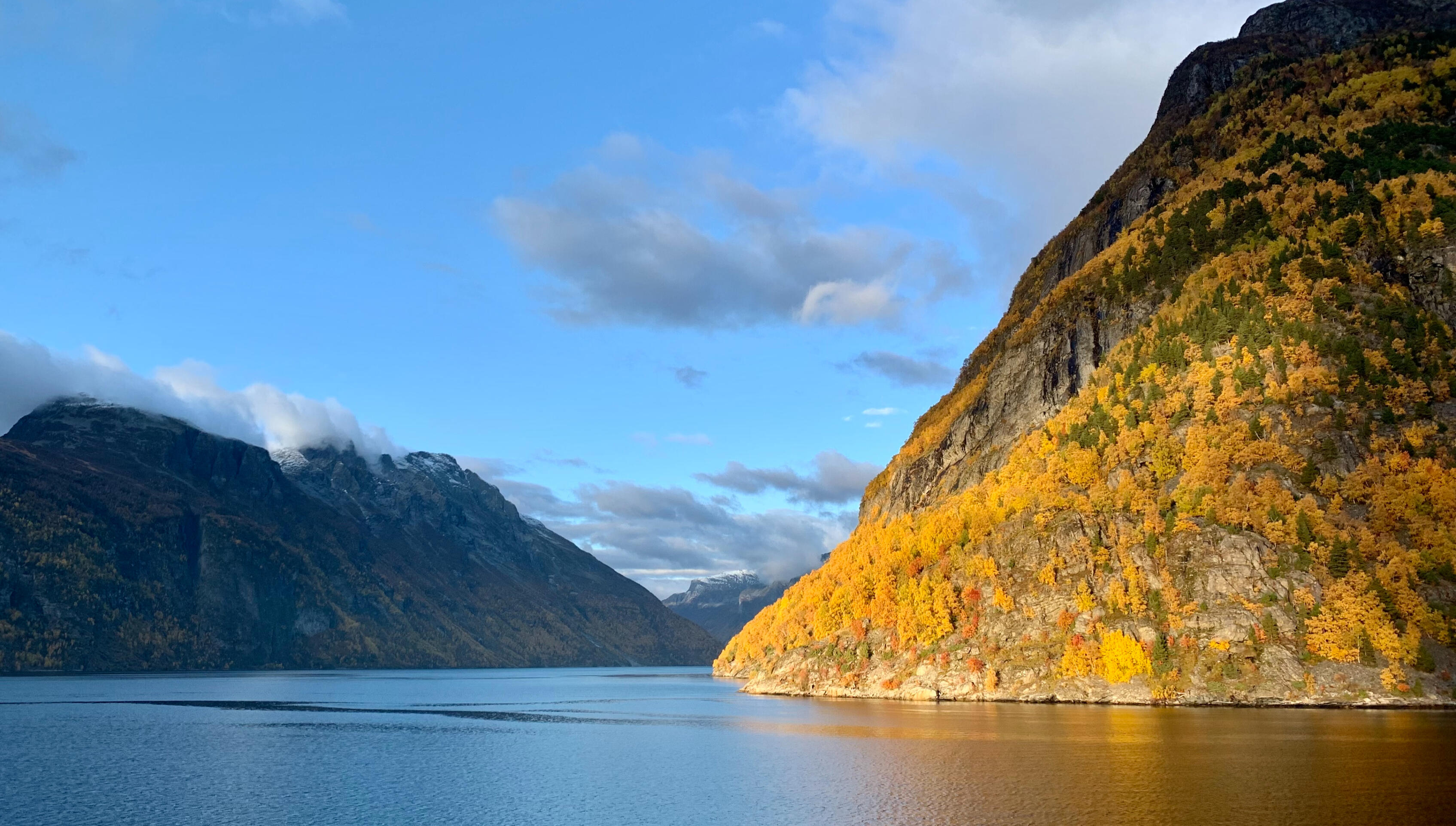
A fjord begins with a valley shaped by ice. When the glacier retreats, it leaves more than an absence: it leaves a form that changes what can happen next. The sea reaches inland. Fresh water and salt water meet, often in layers, while currents can move in different directions through the same inlet. History remains in the shape of the place.Fjordic is my word for a practice of inquiry in those kinds of meeting places. It asks me to be rigorous about what I claim, and just as rigorous about how I pay attention.In my work, those meeting places often appear when what is happening on the ground begins to diverge from how it is recorded, categorized, or governed. The being, place, or relationship from which the record came continues to move and change, often on timescales that don't match administrative ones.I’m interested in what happens at those crossings: what changes or gets left behind, who gains the authority to interpret it, and what has to travel with it. For me, bridging means letting something move between contexts while trying to keep its relationships, history, and meaning from being stripped away in the crossing.Fjordwaves follows those crossings into material consequence.
OUTWARD
What is happening here, and what does the evidence support?
EVIDENCE · INVESTIGATION · IMPLEMENTATION · ACCOUNTABILITY
The outward movement begins with what actually happened. I might start with an animal, a place, a record, or a policy claim, then follow the evidence through decisions, institutions, and the history that made the present possible.I want to know what the available evidence actually supports, where it is uncertain or incomplete, and what would make me change my mind.I also follow interventions forward. What did they solve? What did they shift somewhere else? What did they leave untouched, and what might they set in motion next?Before acting, I want to know what decision is still open, who can change course, and what becomes harder or irreversible next. A decision can be temporary on paper and permanent in consequence. Does its time horizon fit the life process it governs?Where in the chain can a different decision still change what happens next?
INWARD
What are we bringing to the encounter, and how might it change the quality of our attention?
RELATIONSHIP · PERCEPTION · REFLEXIVITY · RECIPROCITY
We never meet the world empty-handed. We bring histories, attachments, categories, assumptions, loyalties, bodily responses, and inherited ideas about what counts as knowledge and who has the authority to interpret what's happening.The inward movement is partly about changing the quality of attention. Can we notice our first reaction without allowing it to become the whole explanation? Can we stay with an encounter long enough for something unexpected, uncomfortable, or unfamiliar to become visible?Reflexivity asks what we may be projecting, what our position makes easier to see, what it may make easier to miss, and what happens when evidence, difference, or another way of knowing changes the question.The encounter can change how we look, but the answer still has to survive contact with evidence.
THE CURRENT
The current keeps turning us back toward the world.
We go out toward the world with a question, allow the encounter to change what we understand, and return differently. What we learn changes the inquiry, and what we do changes the reality we have to encounter next.Care tells us that something matters. Attention keeps us from reducing it too quickly. Investigation follows what’s actually happening. Strategy asks where knowledge and effort can still change what happens next.
A boundary doesn't always mean the same thing.
A boundary can be a wall, a membrane, a jurisdiction, a safeguard, or simply a line that makes sense to people but not to the animal moving through it. Some boundaries fragment relationships that continue beyond them; others protect sovereignty, safety, difference, or integrity.So the question isn't simply whether a boundary should be crossed. What does it do? What does it protect or divide? Who created it? Who can cross it, and who has the authority to change it?
Power also appears in who gets to decide whether another life or place may remain at all. Wild lives and places are often treated as if their continued existence depends on revocable human permission: tolerated while convenient, removable when another use prevails.Wildness can't mean existing only at our sufferance.
The challenge is to stay in relationship with the wolf while allowing it to remain wolf.
What we call a living being can shape what we permit ourselves to do to it.
Wildness, to me, includes a living being retaining some authorship of its own life.
Relationship doesn't erase conflict either. What benefits one animal, species, population, or place can come at a cost to another, and taking those conflicts seriously is part of the work.Sometimes repair begins with being able to see the relationship again. Repair asks something of us. It isn't enough to manage the same consequences indefinitely. I want to understand what keeps a harmful pattern in place, what an intervention can actually change, and where a different decision could alter the trajectory.
How do we exercise power over lives and ecosystems without mistaking power for omniscience?
KEEP RETURNING TO THE REAL THING
the horse · the wolf · the whale · the river · the record · the person · the decision · the place
05 / FIVE THREADS
Five ways of staying with the whole.
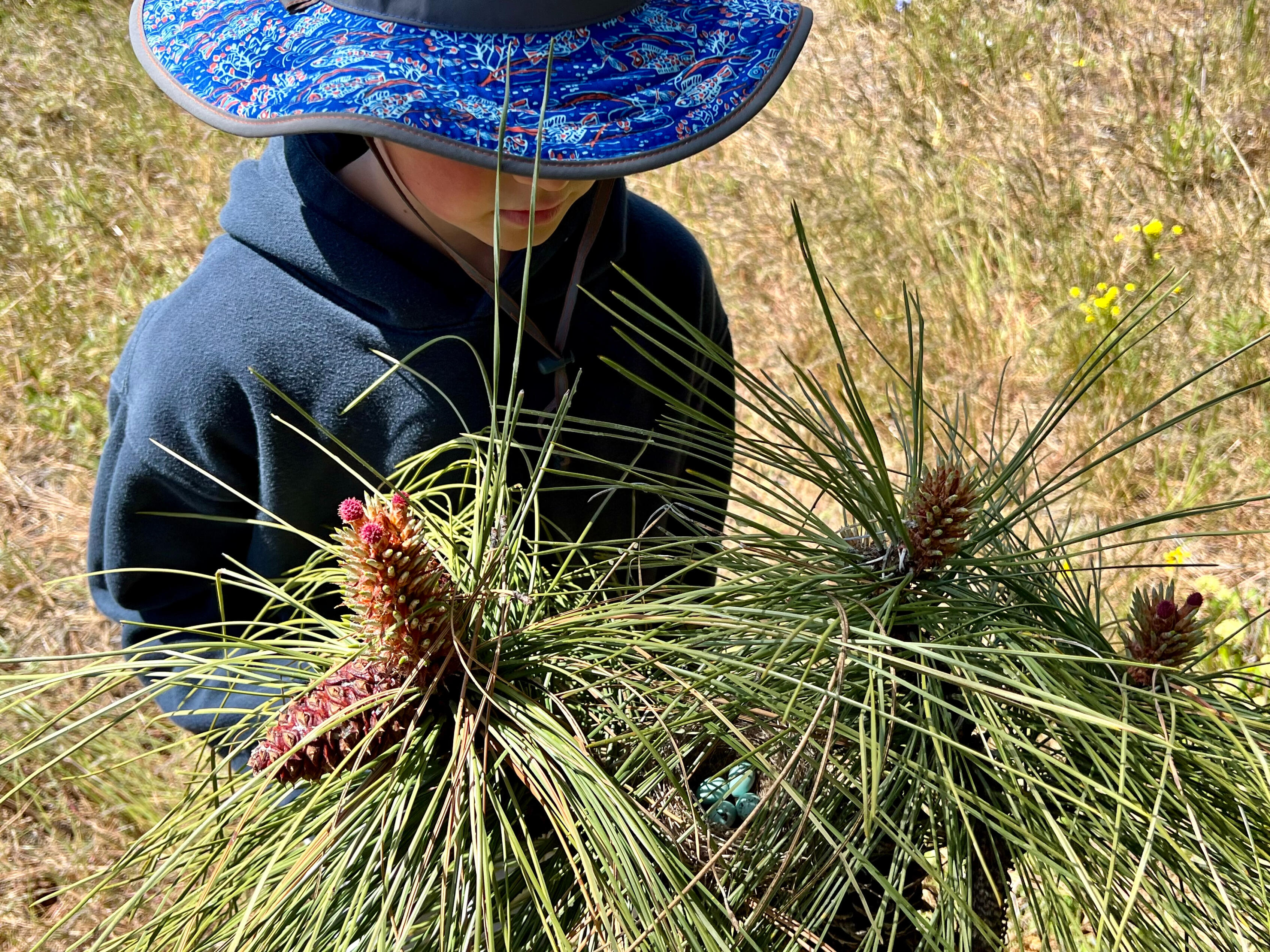
Fjordic is an orientation. These five practices help me keep it grounded in the work. Investigation, ecology, translation, relationship, and story keep different parts of a problem in view. None is enough alone, and each can correct something the others might miss.
01 / INVESTIGATION
Keep checking the representation against reality.
Institutions act through designed representations of reality. A living event becomes a record. Populations become numbers, observations become classifications, landscapes become management units, and commitments become indicators. Those representations can be useful, but they can become so dominant that they begin to stand in for the reality they were meant to describe.The problem isn’t abstraction itself. It’s forgetting that every representation comes with assumptions, uncertainty, and limits. A representation can also become inaccurate in time as well as in space. Laws, categories, thresholds, and management systems can outlive the conditions that produced them while their consequences continue accumulating.I trace how evidence becomes a category or decision, test competing explanations, and follow the chain backward into history and forward into consequence. The question is what the representation helps us see, what it leaves out, how it was designed, and whether it still serves the reality it was built to help govern.
02 / ECOLOGY
Keep more than one scale in view.
A migratory animal makes geography relational. A single bird’s life can hold an extraordinary geography: places thousands of kilometers apart, connected by the requirements of one life. A map may divide them into countries and jurisdictions, but the bird makes their relationship visible.Migration connects places without making them interchangeable. A bird nesting in one landscape may depend on places, people, and conditions far beyond it. A migratory salmon needs river and ocean differently. Seasons change what a place can offer. The whole life only comes into view through the relationships among those places.An individual animal matters, but so do populations, other species, habitats, seasons, water, and ecological processes that may be much harder to see. Ecology keeps the horse and the sage grouse, the wolf and the herd, the whale and the population in the same inquiry without pretending that their interests will always align.
03 / TRANSLATION
Follow what changes when knowledge moves.
Evidence moves into policy. Animal behavior becomes public narrative. Local experience enters decisions that may be made far away. Knowledge migrates between languages, cultures, institutions, and disciplines.Translation asks what is preserved, what changes, who gets to interpret it, whose knowledge carries authority, and what disappears along the way. It also asks if something should cross a boundary at all, who has the right to decide, and what must remain attached if it does.Something can travel between contexts without everything traveling with it.
04 / RELATIONSHIP
Stay open to encounter without making it yours.
Relationship means allowing what I encounter to affect how I understand a problem without assuming sameness, access, or authority that isn't mine.Restraint matters too. Care, proximity, knowledge, or good intentions don’t automatically give us the right to enter, interpret, use, or speak for what we encounter. Not everything that can be crossed, translated, documented, or shared should be.Reflexivity asks what my own position makes visible, what it may hide, and who gets to tell me I’m wrong.
ENCOUNTER · PERMEABILITY · REFLEXIVITY · RECIPROCITY
05 / STORY
Make connections visible, and expose what abstraction can hide.
Story can reveal a relationship across distance without pretending to reproduce the encounter.Story brings the animal back into the number, the place back into the policy, and the consequence back into the decision. It can expose connections that institutional language, statistics, distance, or familiar narratives make easy to overlook.But story has its own responsibility: not to make uncertainty, conflict, or complexity cleaner than the evidence allows.
The work happens in the movement between them.
06 / CAROLINE
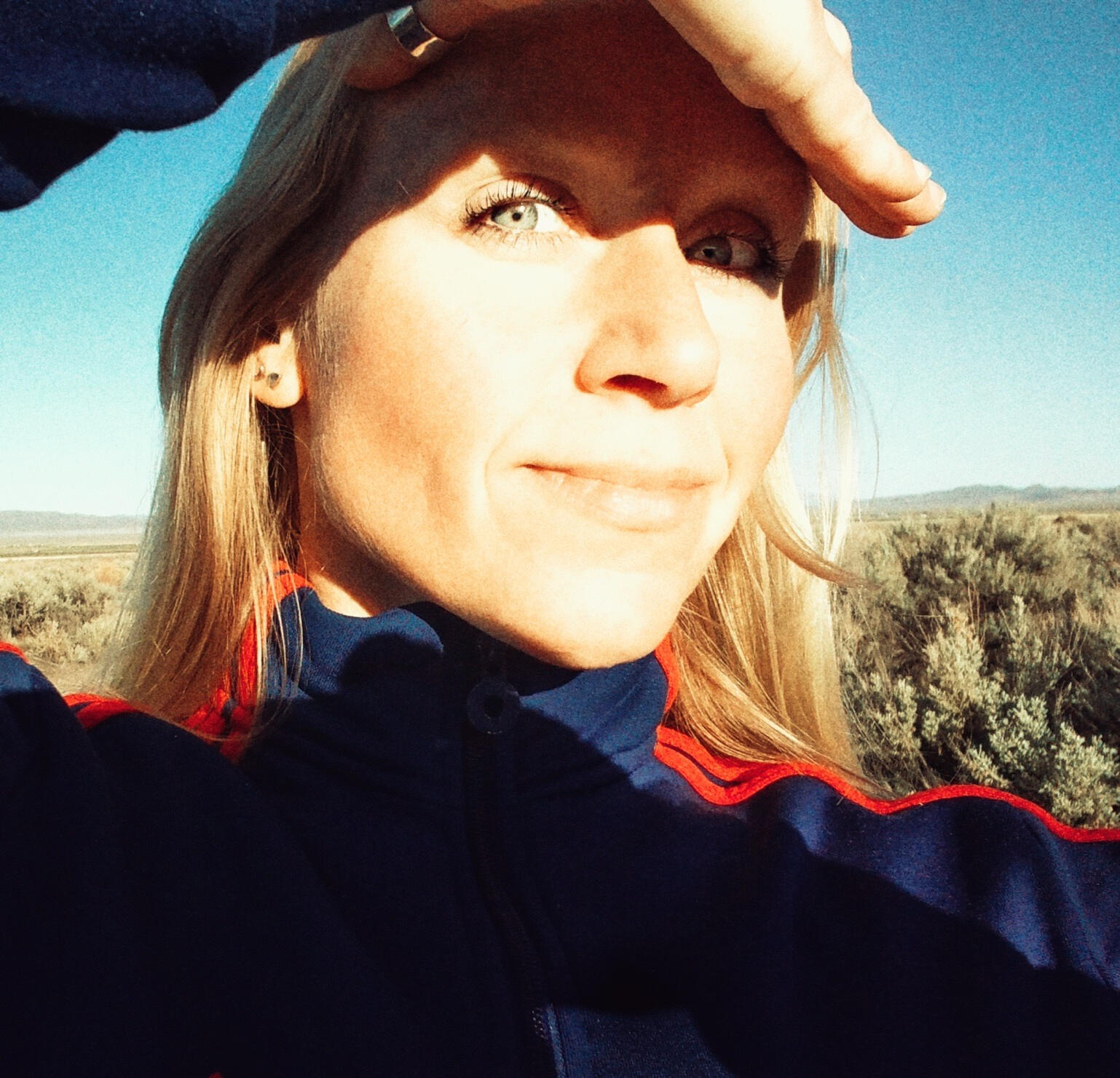
At the heart of my work is a simple wish: to contribute to easing some of the suffering in this world.
I keep returning to:
WILDNESS · MOVEMENT · BELONGING · EVIDENCE · RELATIONSHIP · TRUTHFULNESS
Caroline Shankel
ENVIRONMENTAL RESEARCHER · WRITER · FIELD PRACTITIONER · FOUNDER, FJORDWAVES
USEFUL LABELS. NOT THE WHOLE STORY.
I work between languages, countries, cultures, disciplines, and ways of knowing. Living and working in Germany and the United States has made me attentive to the social histories of places and to how ideas about nature, wildness, evidence, responsibility, and belonging change from one culture to another. It's also shown me how easily one culture’s assumptions can be treated as universal.
I’ve built much of my working life between Germany and the USA outside a single institutional path. Moving between countries, professions, and systems without one employer or organization carrying me between them has required initiative, adaptability, and a willingness to enter unfamiliar territory. It has also taught me to think independently while staying open to other people, places, and knowledge changing my mind.
Whenever I can, I’d rather go and see for myself. I’m drawn to unfamiliar places, working worlds, and conversations, especially where the reality is messier than the account of it. I want to understand how something looks from inside before deciding what I think it means.
Some landscapes change how I feel in my own body, what I notice, how I move, and what becomes possible to imagine or do. Years in the high desert and mountains of the American West taught me that through immersion; leaving them made it even clearer. Distance has also made me more aware of what memory and story can keep alive, and what can only be learned through repeated presence.
I’ve spent enough time inside different systems to know that none looks the same from the inside and from its edges. I’m often most useful at that edge: close enough to understand the language, constraints, and history at work, while still able to look at what the system is doing to the animal, place, or people beyond its frame. My work increasingly centers on doing the research itself, not only communicating what others have already concluded. I document in the field, return to places and records over time, reconstruct individual cases, and follow evidence through decisions and histories to ask what it can actually support.
Much of what I care about happens far from where I live. I can care, and love, at a distance. Care can endure across distance, but distance changes what I can know and what authority I have. Restraint is part of that relationship too: caring about another being or place doesn’t automatically give me access to it, ownership of its story, or the right to speak for it.
I experience the wild as elder and ancestor. The systems we build to govern the living world are younger than the lives, relationships, migrations, and processes they try to contain. The closer I look, the less the world seems reducible to a final answer.
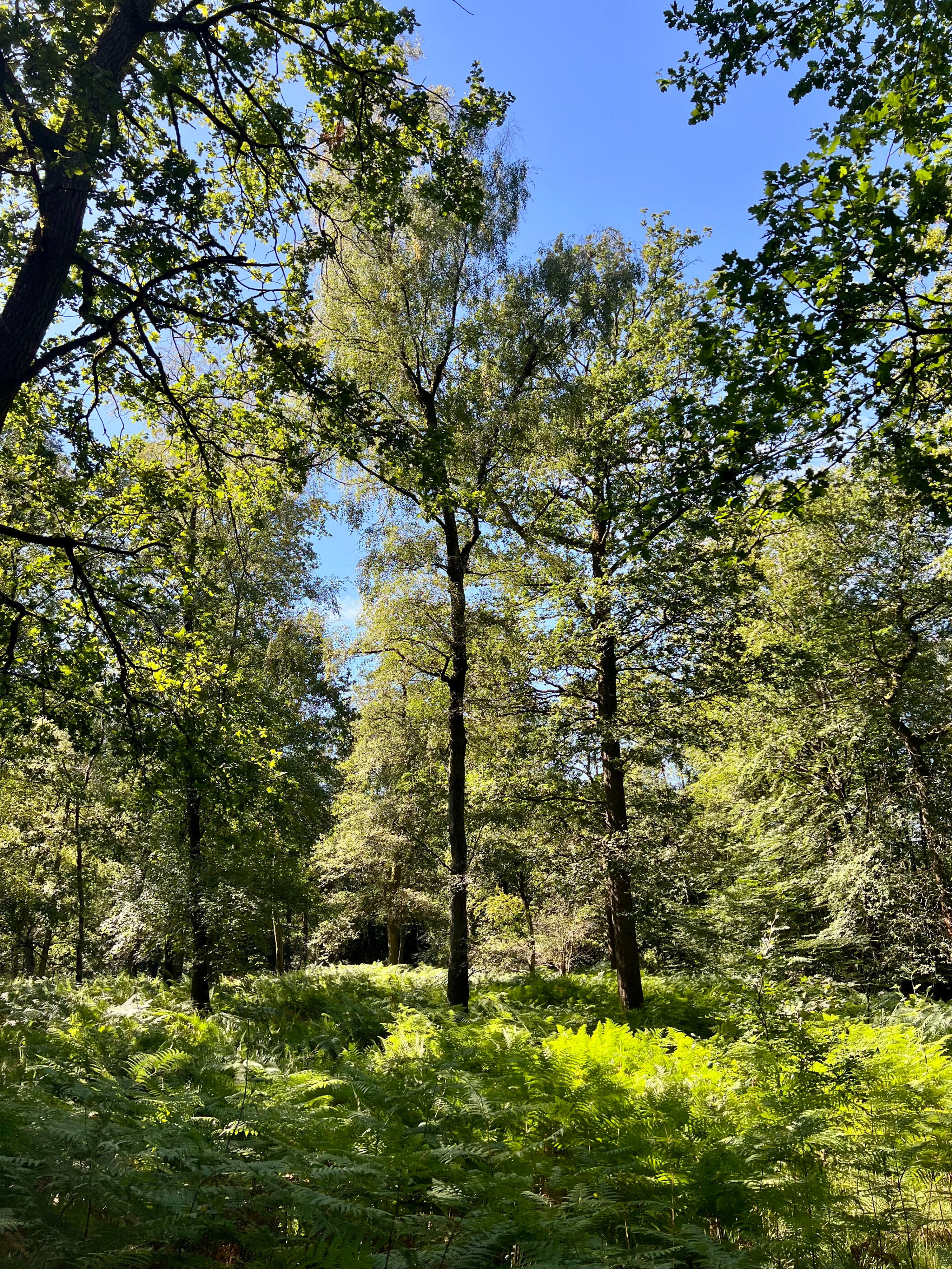
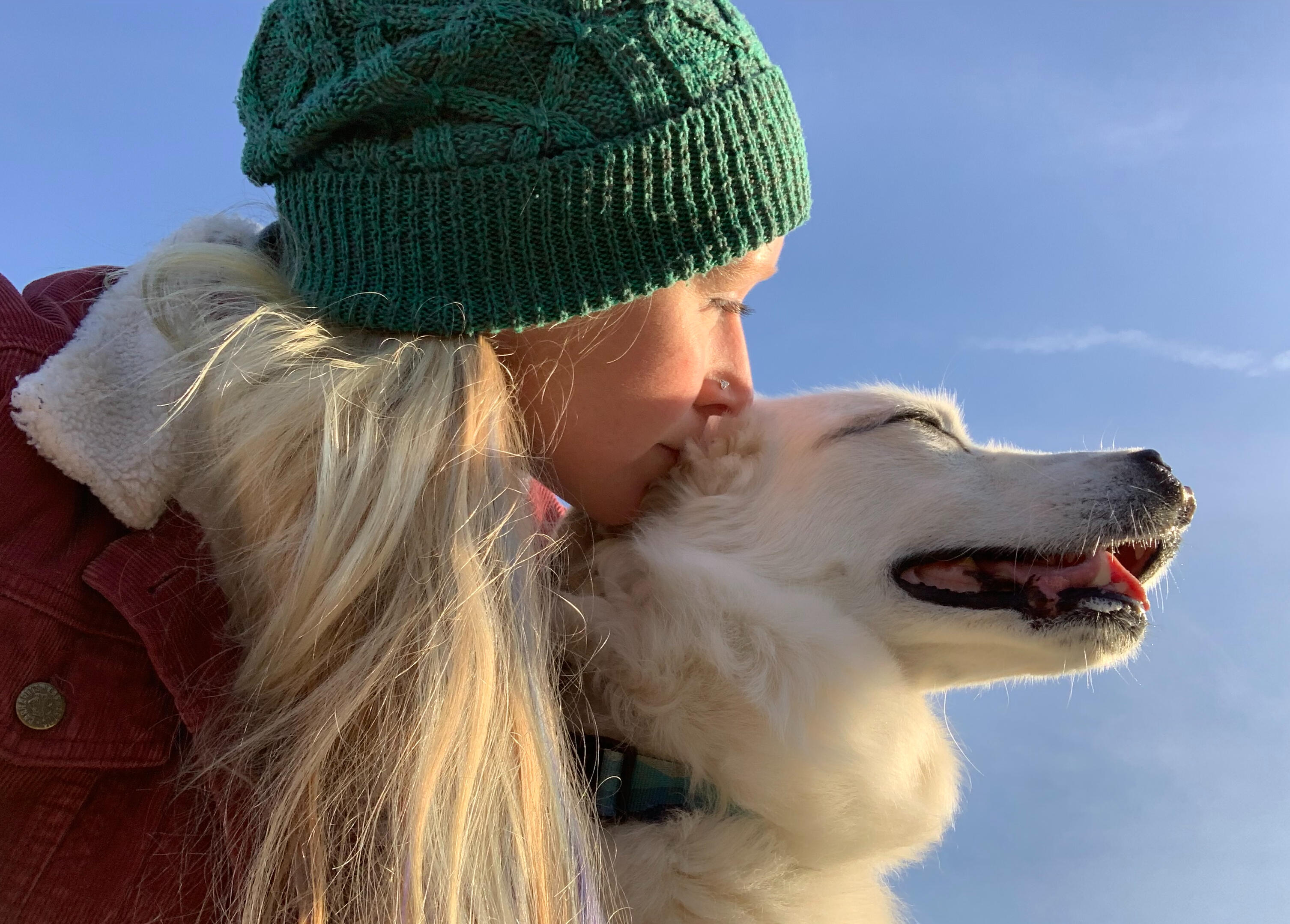
Photography is part of my practice of attention. I use it to document place, change, encounter, and evidence, not just to illustrate the story afterward.
SELECTED EXPERIENCE
FIELD + CONSERVATIONRaptor surveys and mapping · marine conservation campaign fieldwork · wildlife documentation · wolf evidence researchRESEARCH + INSTITUTIONSEvidence review · public-record research · international business and compliance · policy and implementation analysisECOLOGY + HUMAN SYSTEMSStudies spanning biology, natural resources, sociology, leadership, and business · MSc Global Environment and Sustainability, University of London — in progressEDUCATION + COMMUNICATIONEnvironmental education · place-based learning · bilingual knowledge translation · investigative and public-facing writing
Different landscape. Different animal. Different system. Same current.
07 / WORK WITH FJORDWAVES
What could we investigate together?
Bring me a wildlife case, policy question, conservation conflict, body of evidence, or implementation problem that needs careful attention. I can help reconstruct what happened, trace the evidence and the people or institutions involved, and identify what remains uncertain or missing.I listen widely without pretending every account explains the evidence equally well.
I work with conservation organizations, researchers, journalists, campaigns, and public-interest initiatives.
TYPICAL OUTPUTS
Evidence review + case reconstruction
Chronology, source trail, evidentiary gaps, what the record can and cannot establish.
Public-record research dossier
Records, decisions, responsible actors, provenance, key findings, and unresolved questions.
Implementation-gap brief
What policy promises, what is happening in practice, where the gap lies, and what could change.
Stakeholder + institutional map
Who decides, who implements, who influences, where responsibility fragments, and where intervention may be possible.
Field documentation package
Structured observations, photographs, mapping, field notes, evidence summary, and contextual research.
Research-to-action communication
Investigative writing, decision briefs, public comments, testimony or briefing materials, campaign research, and strategic communication.
The form depends on what the question needs. Sometimes that’s an investigation, brief, map, or field record. Sometimes it’s an essay, screening, learning experience, field encounter, or facilitated conversation that helps people see an ecological relationship or problem more clearly.
Whatever the form, the aim is to make what matters knowable enough, traceable enough, visible enough, and useful enough to act on.
RESEARCH · CONSERVATION ACTION · STORYTELLING
Caroline Shankel
Germany · United States · International

© 2026 FJORDWAVES / Caroline ShankelPHOTOGRAPHY BY CAROLINE SHANKEL · LOGO DEVELOPED WITH THE ALCHEMY OF DESIGN
IMPRESSUM
Angaben gemäß § 5 DDGCaroline Shankel
Fjordwaves
51688 Wipperfürth
DeutschlandKontaktE-Mail: [email protected]Wirtschafts-IdentifikationsnummerW-IdNr. gemäß § 139c AO:
DE455993107
DATENSCHUTZ
1. VerantwortlicheVerantwortlich für die Verarbeitung personenbezogener Daten auf dieser Website ist:Caroline Shankel
Fjordwaves
51688 Wipperfürth
DeutschlandE-Mail: [email protected]2. Bereitstellung und Hosting der WebsiteDiese Website wird mit Carrd betrieben und gehostet.Beim Aufruf dieser Website können technisch erforderliche Daten verarbeitet werden, die für die Bereitstellung, Stabilität und Sicherheit der Website notwendig sind. Dazu können insbesondere die IP-Adresse, Browser- und Geräteinformationen sowie Datum und Uhrzeit des Zugriffs gehören.Die Verarbeitung erfolgt auf Grundlage von Art. 6 Abs. 1 lit. f DSGVO. Mein berechtigtes Interesse liegt in der sicheren, zuverlässigen und technisch funktionsfähigen Bereitstellung dieser Website.Carrd ist ein Anbieter mit Sitz in den Vereinigten Staaten. Soweit personenbezogene Daten im Zusammenhang mit der Bereitstellung dieser Website in den USA verarbeitet werden, können damit Übermittlungen in ein Drittland verbunden sein. Weitere Informationen zur Datenverarbeitung durch Carrd finden sich in der Datenschutzerklärung von Carrd.3. SchriftartenDie auf dieser Website verwendeten Schriftarten werden lokal über die Website bereitgestellt. Beim Aufruf der Website wird deshalb keine Verbindung zu Google Fonts hergestellt.4. KontaktformularWenn Sie das Kontaktformular nutzen, werden die von Ihnen eingegebenen Angaben verarbeitet. Dies betrifft insbesondere Ihren Namen, Ihre E-Mail-Adresse und den Inhalt Ihrer Nachricht.Die Daten werden verwendet, um Ihre Anfrage zu bearbeiten und mit Ihnen zu kommunizieren.Soweit Ihre Anfrage auf die Anbahnung eines Vertrags oder einer Zusammenarbeit gerichtet ist, erfolgt die Verarbeitung auf Grundlage von Art. 6 Abs. 1 lit. b DSGVO.Bei sonstigen Anfragen erfolgt die Verarbeitung auf Grundlage von Art. 6 Abs. 1 lit. f DSGVO aufgrund meines berechtigten Interesses an der Bearbeitung eingehender Anfragen und der Kommunikation mit Interessierten, Kooperationspartnern und anderen Kontaktpersonen.Das Kontaktformular wird über Carrd bereitgestellt. Die übermittelten Angaben werden über Carrd an die für Fjordwaves hinterlegte E-Mail-Adresse weitergeleitet.Daten aus einer Anfrage werden gelöscht, wenn die Bearbeitung abgeschlossen ist und kein weiterer Anlass für eine Speicherung besteht. Gesetzliche Aufbewahrungspflichten sowie eine erforderliche Speicherung zur Geltendmachung, Ausübung oder Verteidigung von Rechtsansprüchen bleiben unberührt.5. Kontakt per E-MailWenn Sie mich per E-Mail kontaktieren, verarbeite ich die von Ihnen übermittelten Daten, insbesondere Ihre E-Mail-Adresse und den Inhalt Ihrer Nachricht, um Ihre Anfrage zu beantworten.Die Verarbeitung erfolgt auf Grundlage von Art. 6 Abs. 1 lit. b DSGVO, soweit die Kommunikation der Anbahnung oder Durchführung eines Vertragsverhältnisses dient.In anderen Fällen erfolgt die Verarbeitung auf Grundlage von Art. 6 Abs. 1 lit. f DSGVO aufgrund meines berechtigten Interesses an der Bearbeitung und Beantwortung von Anfragen.Die Daten werden gelöscht, wenn sie für die Bearbeitung der Anfrage nicht mehr erforderlich sind, sofern keine gesetzlichen Aufbewahrungspflichten oder sonstigen berechtigten Gründe für eine weitere Speicherung bestehen.6. Analyse, Tracking und MarketingAuf dieser Website setze ich keine Analyse- oder Marketingtools ein. Durch Fjordwaves werden keine Nutzerprofile zu Analyse- oder Werbezwecken erstellt.7. Externe LinksDiese Website enthält Links zu externen Websites und Diensten, darunter LinkedIn, Substack, Snowline Rising, The Alchemy of Design sowie gegebenenfalls weitere veröffentlichte Arbeiten und externe Angebote.Wenn Sie einen solchen Link aufrufen, verlassen Sie die Website von Fjordwaves. Für die Verarbeitung personenbezogener Daten auf der jeweiligen Zielseite ist der jeweilige Betreiber verantwortlich. Es gelten die dort veröffentlichten Datenschutzbestimmungen.8. Ihre RechteSie haben nach Maßgabe der gesetzlichen Voraussetzungen insbesondere das Recht auf:- Auskunft über Ihre personenbezogenen Daten nach Art. 15 DSGVO
- Berichtigung unrichtiger Daten nach Art. 16 DSGVO
- Löschung nach Art. 17 DSGVO
- Einschränkung der Verarbeitung nach Art. 18 DSGVO
- Datenübertragbarkeit nach Art. 20 DSGVO
- Widerspruch gegen bestimmte Verarbeitungen nach Art. 21 DSGVOSoweit eine Verarbeitung auf einer Einwilligung beruht, können Sie diese Einwilligung jederzeit mit Wirkung für die Zukunft widerrufen.Zur Wahrnehmung Ihrer Rechte können Sie mich unter [email protected] kontaktieren.9. BeschwerderechtSie haben das Recht, sich bei einer Datenschutzaufsichtsbehörde zu beschweren.Die für den Sitz von Fjordwaves zuständige Aufsichtsbehörde ist:Landesbeauftragte für Datenschutz und Informationsfreiheit Nordrhein-Westfalen
Kavalleriestraße 2–4
40213 Düsseldorf
DeutschlandE-Mail: [email protected]10. StandStand: September 2026